Start a raised-bed vegetable garden on your deck: the step-by-step plan
Spot, beds, soil, plants, watering: what to do first, how long it takes and what to budget for a first harvest on a deck or patio.
You picture tomatoes picked right off your deck. Maybe you've tried before: a pot bought on impulse, a few plants set in a corner, and a few weeks later, yellow leaves and not a single tomato. You decided you just don't have a green thumb.
It's almost never the green thumb that's missing. It's the order: beds set in the wrong spot, soil bought before measuring, plants waiting because no one planned the watering.
What really gets in the way
- Buying before looking. The corner you picked is shaded all afternoon, and tomatoes hate that.
- Underestimating the soil. How much, how heavy, how to get it home: that's where many projects stall.
- Forgetting the watering. Until the first heat wave, or the first weekend away.
The hard part isn't planting. It's doing things in the right order, so the first harvest actually shows up.
With a plan, everything falls into place
Here is the garden laid out by VoilaPlan, for about 40 square feet on a deck: each step with its time and budget.
What the plan changes: you know what to buy and when, and you see the budget before you spend.
The five steps, in order
1. Choose the spot before anything else
Sun decides everything in a vegetable garden. Most summer vegetables, like tomatoes and peppers, want at least six hours of direct sun a day. Watch your deck for one day: note where the sun falls in the morning, at noon, in the afternoon and in the evening.
- Watch, then mark out: a day of watching, then the beds chalked on the deck. One more hour, but nothing to move later.
- Mark out right away: faster, at the risk of finding out the spot is shady after 3 pm.
2. Set up the beds and the soil
This is the step that takes the most time and the most budget.
- A ready-made kit: two short sessions, no tools. The beds are in place by the second week.
- Build your own: made to measure, but you need a saw and several more hours. Many towns have a tool library where you can borrow one, or a neighbor may lend theirs.
- Salvaged materials: produce crates or pallets, nearly free, to clean and protect from moisture.
Order the soil with the beds if you're having it delivered. Many cities also run free compost giveaways or community compost programs: half compost, half potting mix costs next to nothing, with a sign-up delay to plan for.
3. Plant
Store-bought starts give you an earlier harvest and less risk of failure. Seeds started in small pots cost less, but push the harvest back by several weeks. A mixed approach works well: tomato starts from the garden center, lettuce and radishes sown straight into the beds.
Plant warm-season crops like tomatoes after your area's last frost date. Your state's cooperative extension office publishes it, often with a planting calendar for your county.
4. Plan the watering before you plant
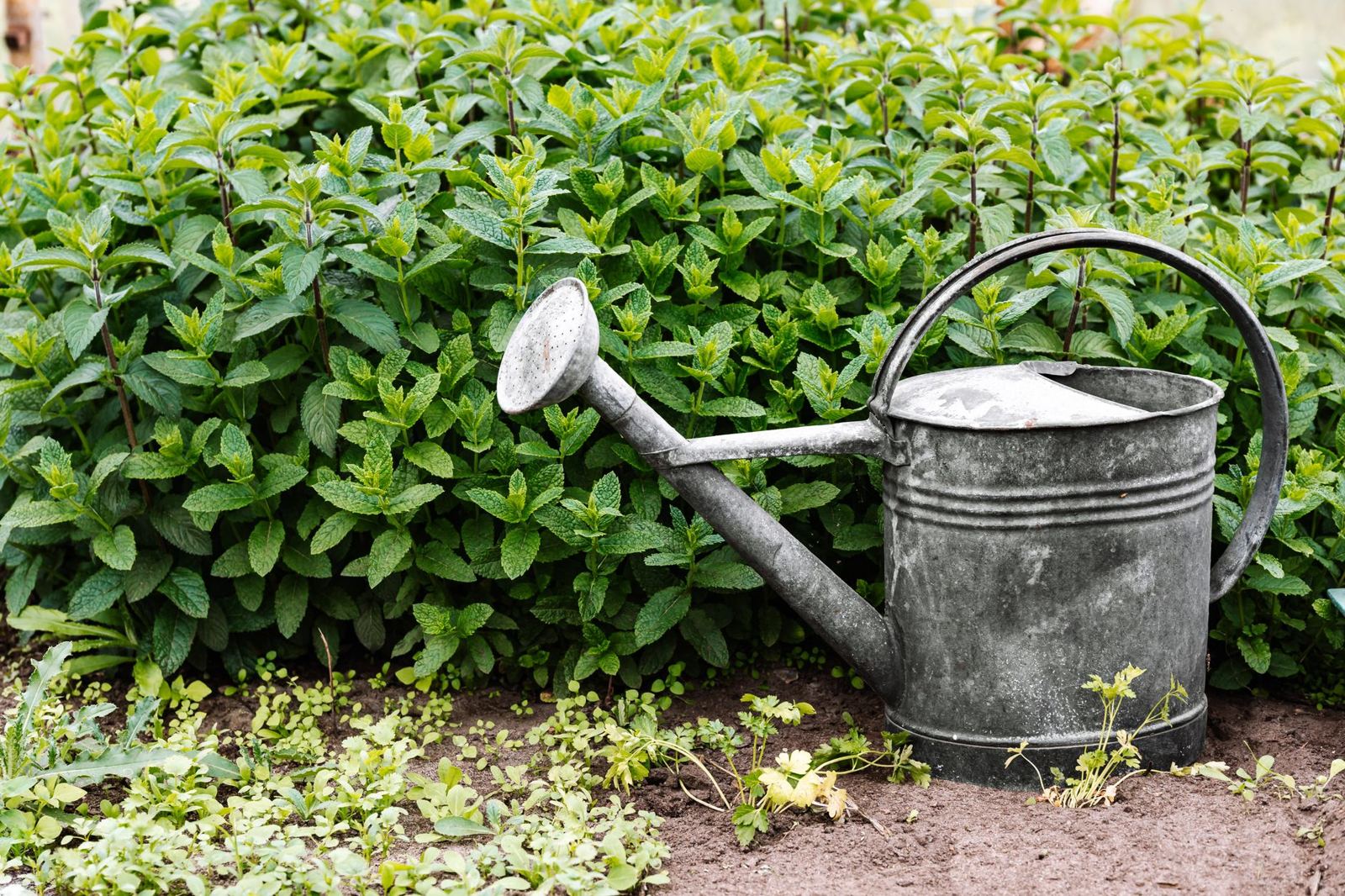
A watering can and a nearby faucet are enough, as long as you spend a few minutes on it every day in summer. If you travel often, a drip irrigation kit means you don't have to count on the neighbors.
5. Keep it going until the first harvest
Watering, pulling weeds, checking the leaves: a few regular minutes beat one big session a month. This is where the first harvest is won.
How long, and what budget?
In the plan drawn above, the whole thing takes about 7 to 8 weeks at a few hours a week, for a budget under $150. A kit and delivered soil go faster; salvaged materials cost less but take more time.
Common questions
Which vegetables should I start with?
Lettuce, radishes and a few tomato starts: easy, quick, and radishes are ready to pick within a few weeks.
How deep does the soil need to be?
About a foot (30 cm) works for most vegetables grown in a bed.
What if I go on vacation?
Plan for drip irrigation or a neighbor before you plant, not after: it's a step in the plan, not a detail.
What next?
In VoilaPlan, watering and upkeep become routines that come back on their own, all the way to the first harvest.