Storing energy at home: batteries, hot water, heat… how to make sense of it
Save daytime solar power for the evening, or turn it into heat: the main families of solutions, and the questions to ask before you choose.
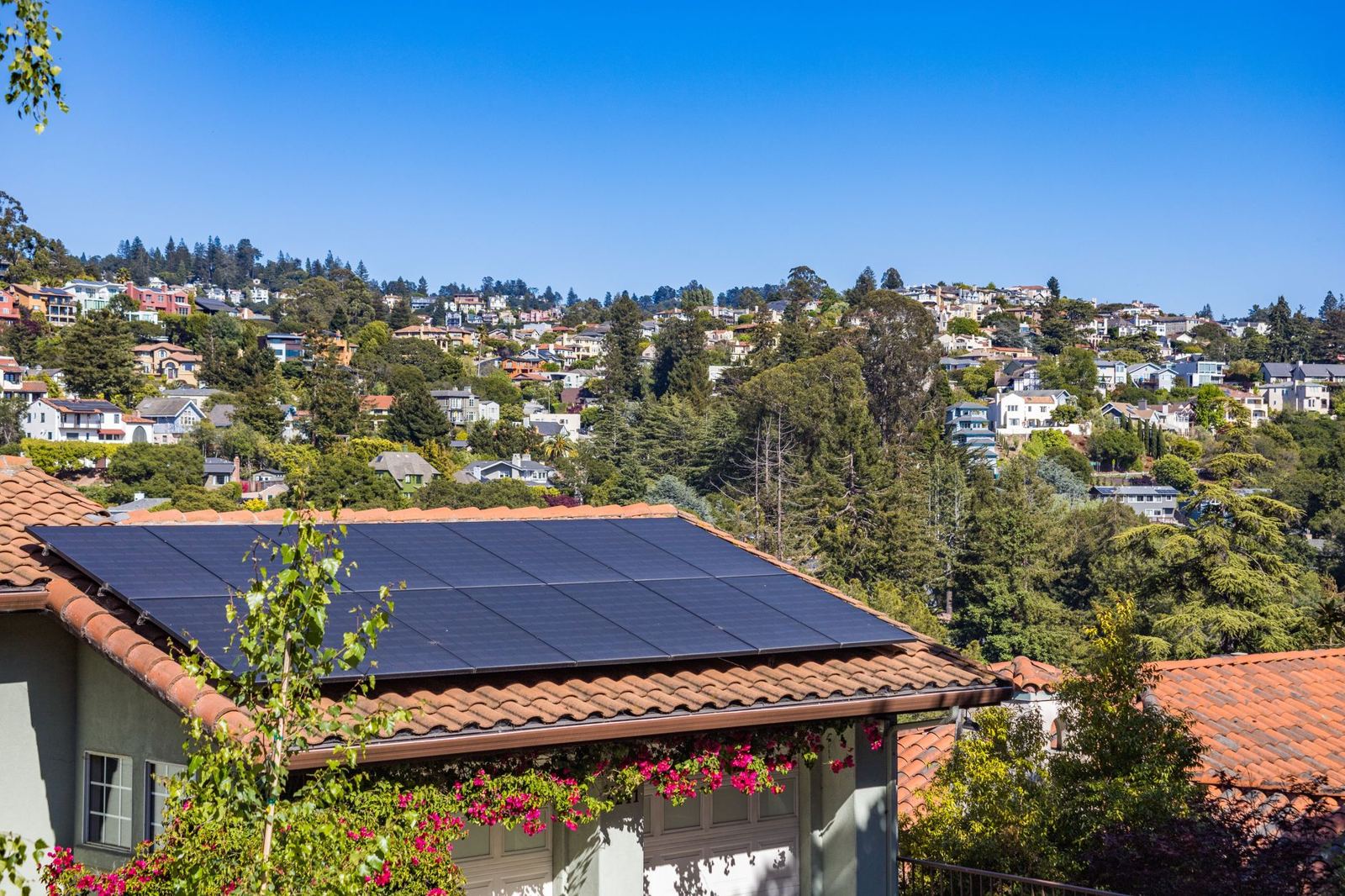
Your solar panels produce the most at noon, while you're at work, and almost nothing in the evening, when you get home. You've heard about home batteries, smart water heaters, devices that send your surplus somewhere useful. Every seller has a solution, every forum has an opinion, and you no longer know what to compare.
Before choosing, you need to understand. These solutions don't all answer the same question.
What really gets in the way
- Comparing things that don't compare. A battery stores electricity; a water heater stores heat.
- Starting from the product instead of the need. Running the lights in the evening, heating water and keeping power on during an outage don't call for the same equipment.
- Numbers that contradict each other. Lifespans, prices, efficiency, incentives: it all changes fast, and not all of it is sourced.
The hard part isn't finding information. It's sorting it so you can decide.
With an exploration, it all becomes clear
This kind of topic is a good fit for an exploration in VoilaPlan: the question broken into blocks, each with a short card and its sources. A fact with no page to back it up is marked "to check". Here are the main blocks.
The main families of solutions
Storing electricity: batteries
This is the best-known option. A home battery charges with your daytime surplus and gives the power back in the evening. It usually needs a compatible inverter, and installation is typically done by a licensed electrician or solar installer, with a permit from your local building department.
- Lithium iron phosphate (LFP): the most common type in homes today. Manufacturers generally advertise several thousand charge cycles, and it's considered safer than other lithium batteries.
- Lead-acid: the older option, cheaper to buy, but it handles far fewer cycles and shouldn't be fully drained.
- Sodium-ion: a newer path, with no lithium and more abundant materials. Consumer products are still rare, and bulkier for the same capacity.
Not every battery setup keeps your house running during a power outage. If backup power matters to you, ask the installer how the system behaves when the grid goes down.
Storing heat: often the cheapest option
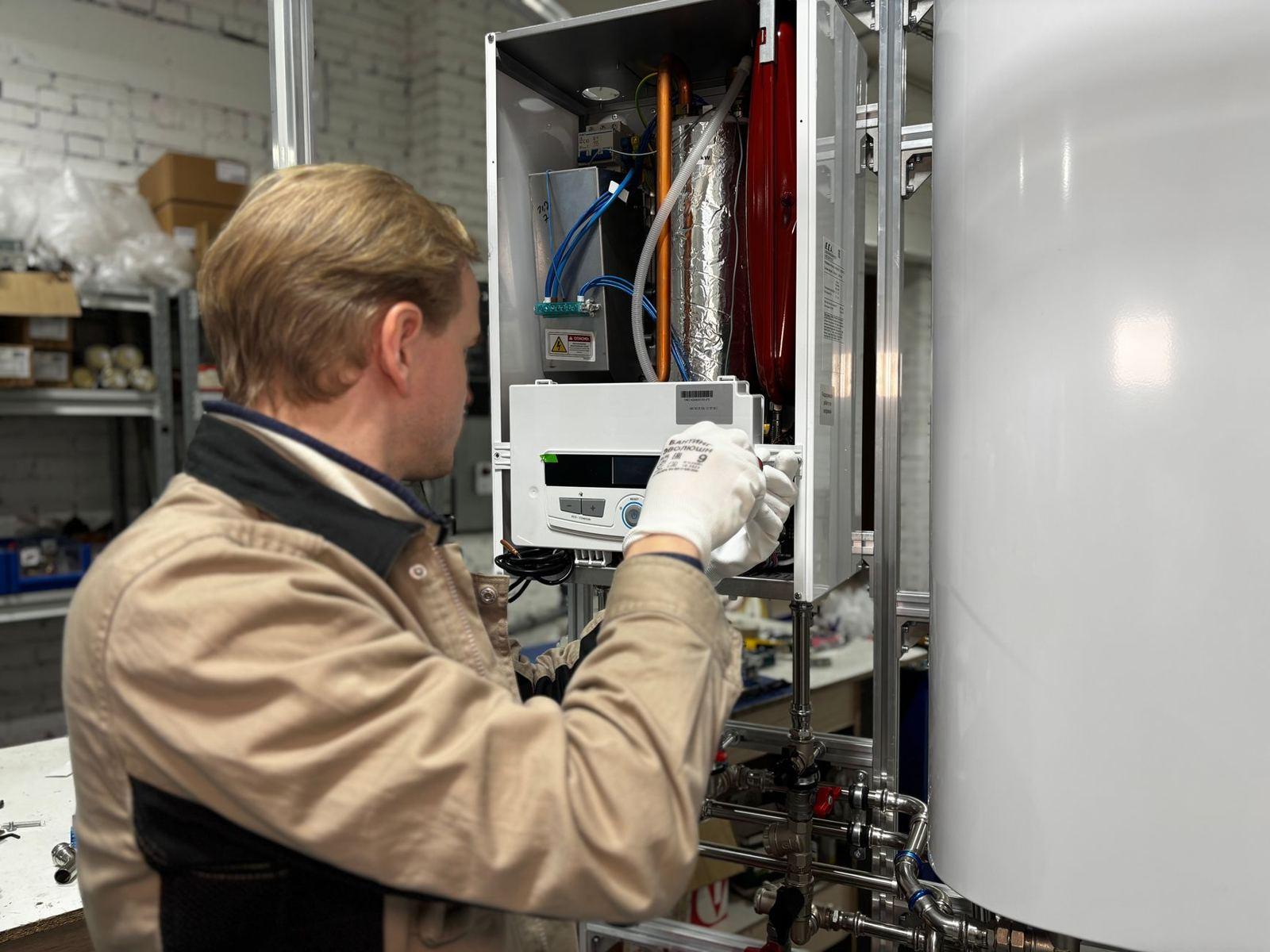
A large share of the energy a home uses goes to heat: hot water and warm rooms. And heat is very simple to store.
The water heater is the most common storage there is, and almost everyone already has one. Heating 80 gallons of water from 60 °F to 140 °F takes about 15 kWh of energy. Water stored that hot needs a mixing valve so it comes out of the tap at a safe temperature: a plumber can tell you what you have.
A device often called a solar diverter can send your panels' surplus into the water heater's heating element, instead of exporting it to the grid. These are more common in Europe than in the US, so ask your installer what works with your system. Some newer water heaters can also be scheduled to heat when your panels produce the most.
Other approaches store heat in the mass of the house, like a concrete slab or thick masonry walls, which take in heat during the day and give it back slowly.
The questions to ask before choosing
- What do I want to cover: evening lights and appliances, hot water, heating, backup during outages?
- How much extra power does my home produce, and when?
- What does my utility do with the power I send back? Net metering rules vary by state and by utility, and they change: ask your utility how you're credited, and whether your rates change by time of day.
- How much space do I have, and do I need a licensed professional and a permit to install it?
- What lifespan and what upkeep for each solution?
Common questions
Does a battery pay for itself?
It depends on your surplus, how you use power, your utility's rates and how it credits what you send back, and current incentives: that's exactly what an exploration helps you lay out before you ask for quotes.
Is a solar diverter complicated?
It's a small device that sends your surplus to the water heater. Installing it means working in your electrical panel: have a licensed electrician do it, and check with your local building department whether a permit is needed.
Where do I start?
With how you use energy: write down what you use in the evening, and what your panels produce beyond your needs. A look at your utility bills and your solar system's monitoring app is enough to begin. The rest follows from there.
What next?
Explore the question in VoilaPlan: what you learn stays in your Brain. The day you decide to act, for example to add a battery or a solar diverter, it turns that into a plan with its steps, its time and its budget.