Planning a wedding: where to start and in what order
Venue, guest list, attire, catering, ceremony: the order that heads off bad surprises, and what each choice does to your budget.
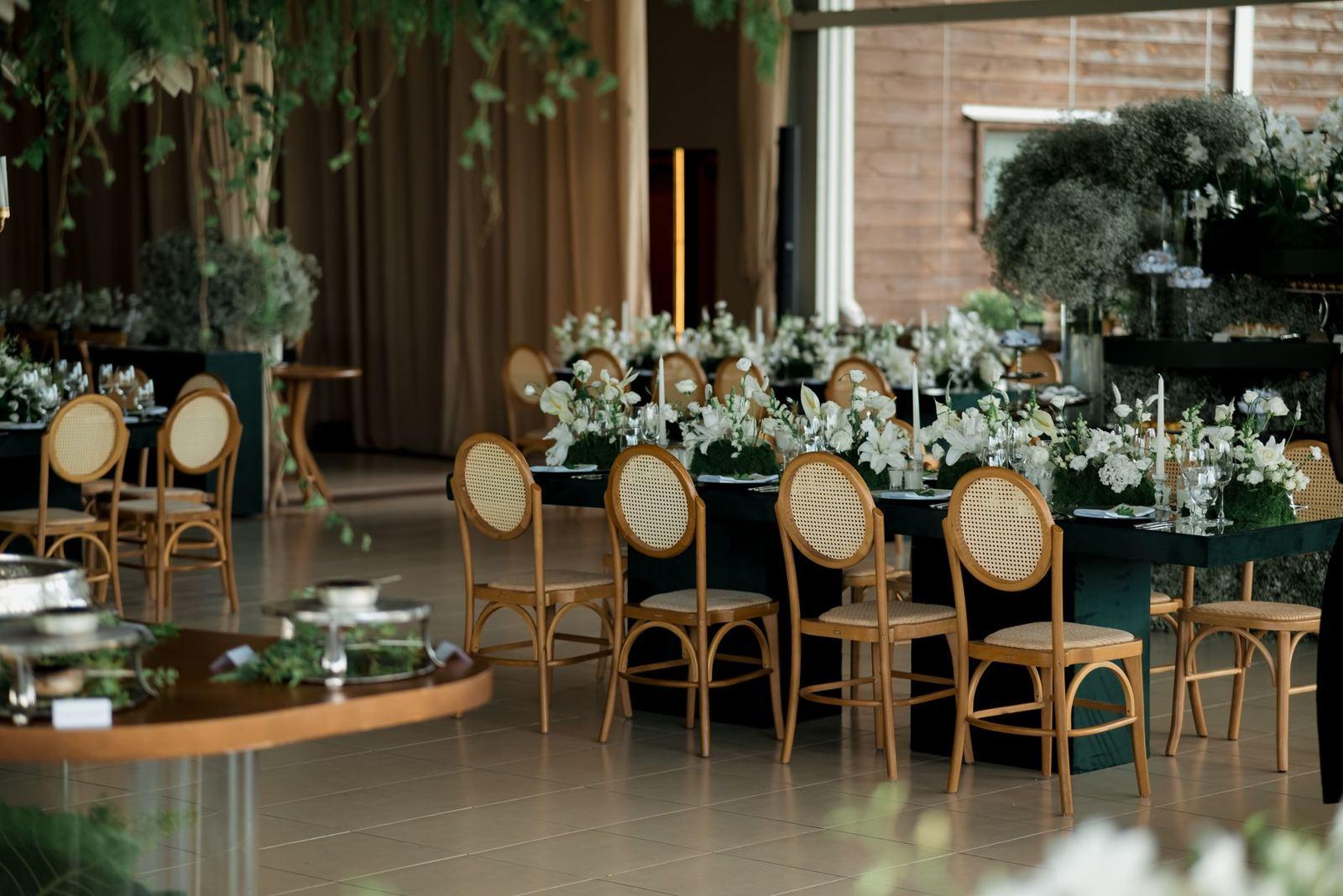
You just said yes, and the joy quickly turns into a list that never ends: the venue, the date, the guests, the dress, the caterer, the music, the license. Everyone has advice, every vendor wants an answer, and it feels like everything is urgent at once.
Not everything is urgent. But everything depends on everything else: the caterer needs a headcount, the headcount depends on the venue, and the venue sets the date.
What really gets in the way
- Committing in the wrong order. A deposit paid to a caterer before you have a venue, and you start over.
- The guest list keeps growing. Every name you add is one more plate, and one more line in the budget.
- Finding out about deadlines too late. Dress orders and alterations, the marriage license rules, venues already booked.
The hard part isn't throwing a party. It's making decisions in the right order while keeping the budget in sight.
With a plan, everything falls into place
Here is the wedding laid out by VoilaPlan, for 80 guests in September: each step with its time and budget.
What the plan changes: you know what needs deciding now, and what can wait.
The six steps, in order
1. Date and venue come first
The venue sets the capacity, so how many people you can invite, and often the date. The most popular venues book early: start with them.
- A venue in the country: ceremony, dinner and overnight stay in one place, one contract. It's also the biggest deposit to pay early.
- The courthouse, then a restaurant: simpler and cheaper, with a drive in between.
- At the family home: almost free, but everything has to be set up, and you need a rain plan, like a rented tent.
When you tour a venue, ask what's included (tables, chairs, linens) and whether you must use their own caterer: some venues require it.
2. The guest list

The number of guests drives almost the whole budget, especially the meal. Making the list together, just the two of you, gives a shorter, chosen list. Asking both families for their lists avoids tension, but takes a few more weeks. Leave time for RSVPs, and for a reminder to the people who forget.
If part of the family is traveling from far away, a save-the-date sent early gives them time to plan.
3. Attire, sooner than you think
A custom-made outfit takes several fittings spread over about two months. Off the rack is faster, with a few alterations. Renting is often the cheapest way, especially for suits and tuxedos, as long as you book early.
If you order a dress through a bridal shop, ask how long delivery takes before you fall in love with one: it can be several months.
4. The caterer, once you know the headcount
It's usually the biggest expense. Get several quotes, do tastings before you choose, then confirm the final headcount once the RSVPs are in. Ask what each quote includes: service charges, gratuity, tax and rentals can add up. A buffet made by the family costs much less, but it means a long day of cooking together.
5. The ceremony
A ceremony at the venue means choosing an officiant, writing your vows and picking the music. A courthouse ceremony is shorter and costs less; ask the county clerk how to book one.
6. The party
Music, decor, photos: this is the last step, and the most fun to plan once everything else is settled.
How long, and what budget?
In the plan drawn above, for 80 guests, the total comes to around $8,000, and the caterer is the biggest single line, about 40 percent of it. Change just one way of doing things, say a family buffet instead of a caterer, and you see right away what you save and what it costs you in time.
Common questions
How far ahead should we start?
As early as you can for the venue: popular ones book far in advance, especially on weekends in early fall. The rest falls into place after that, step by step.
How do we cut the budget without giving up everything?
Start with the guest count and the meal: they're the two lines that weigh the most.
Do we have to get married at the courthouse?
No. In the US, a ceremony at your venue can be legal, as long as you have a marriage license that's valid where you marry and an officiant your state recognizes. The courthouse is one option, not a requirement. Your county clerk can confirm the rules.
What next?
Write your wedding in one sentence in VoilaPlan: it lays out the steps in the right order, several ways to do each one, and the schedule up to the big day, to share with your partner.